


The application of Polyacrylamide
Polyacrylamide (PAM) is a widely used polymer with diverse applications in various industries due to its unique properties such as high water solubility, thickening, flocculation, and adhesion capabilities. Here is a detailed introduction to its industry applications:
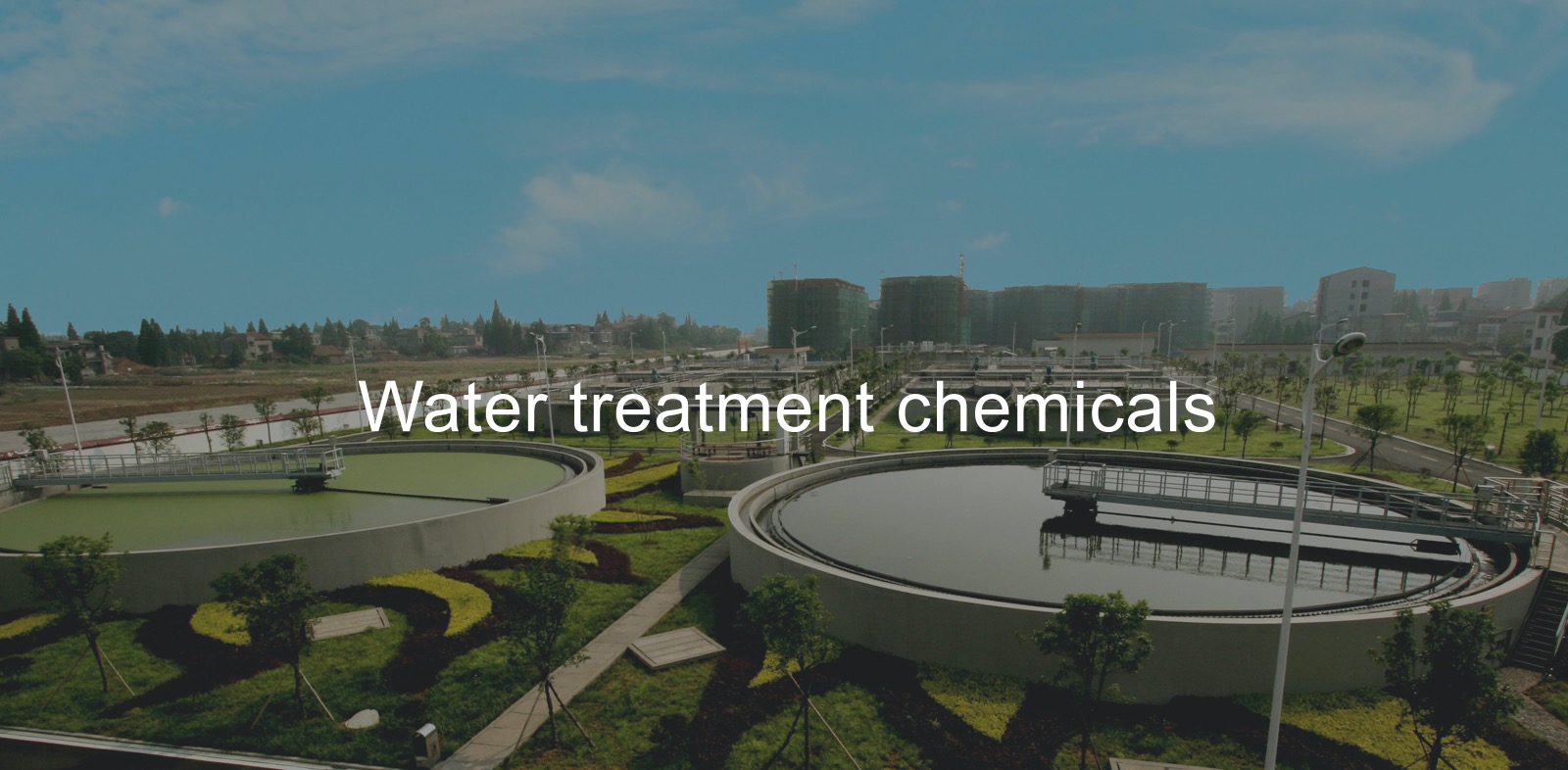
Water Treatment
· Drinking Water Purification: PAM is used as a coagulant and flocculant in the treatment of drinking water. It can aggregate fine suspended particles, such as silt, clay, and microorganisms, into larger flocs, which can then be easily removed by sedimentation or filtration processes, thereby improving water clarity and quality2.
· Wastewater Treatment: In municipal and industrial wastewater treatment, PAM is crucial for removing contaminants. It helps in the coagulation and flocculation of organic matter, heavy metals, and other pollutants present in the wastewater. This enables better separation of solids from liquids, facilitating subsequent treatment steps like sludge dewatering and disposal2.
· Sludge Dewatering: PAM is widely employed in sludge dewatering processes. By binding water molecules and forming a network structure, it helps to release water from the sludge, increasing the solids content and reducing the volume of sludge for easier handling and disposal.
Oil and Gas Industry
· Enhanced Oil Recovery: PAM is injected into oil reservoirs to increase the viscosity of the water phase, which in turn improves the sweep efficiency of the injected fluid, displacing more oil towards the production wells and enhancing oil recovery. It can also reduce the interfacial tension between oil and water, making it easier for the oil to flow1.
· Drilling Mud Additive: In drilling operations, PAM is used as a viscosifier and fluid loss control agent in drilling muds. It helps to maintain the stability and rheological properties of the drilling fluid, preventing wellbore collapse, reducing fluid loss into the formation, and carrying drill cuttings to the surface efficiently1.
Paper Industry
· Retention and Drainage Aid: PAM is used to improve the retention of fibers, fillers, and pigments on the paper web during the papermaking process. It helps to increase the first-pass retention of these materials, reducing their loss in the white water system and improving the efficiency of the papermaking process. Additionally, it enhances the drainage rate of the paper pulp, speeding up the paper formation process3.
· Wet Strength Agent: Certain types of PAM can be added to paper to increase its wet strength, allowing the paper to maintain its integrity even when wet, which is particularly important for applications such as paper towels, wet wipes, and packaging materials that may come into contact with water13.
Mining Industry
· Mineral Processing: PAM is used as a flocculant in mineral processing to separate valuable minerals from gangue minerals. It can aggregate the fine mineral particles, making it easier to separate them by sedimentation, flotation, or filtration methods, thereby improving the recovery rate of valuable minerals and reducing the environmental impact of mining waste.
· Tailings Management: In mine tailings disposal, PAM is added to the tailings slurry to promote rapid sedimentation and consolidation of the tailings, reducing the volume of the tailings pond and minimizing the risk of tailings dam failure and environmental pollution.
Agriculture
· Soil Conditioner: PAM can be used as a soil conditioner to improve soil structure and stability. It binds soil particles together, reducing soil erosion caused by wind and water, and increasing the water-holding capacity of the soil, which is beneficial for plant growth, especially in arid and semi-arid regions1.
· Fertilizer Adjuvant: PAM can be added to liquid fertilizers as a thickening agent to improve their rheological properties and prevent fertilizer runoff, ensuring more uniform application and better nutrient uptake by plants1.
Cosmetics and Personal Care Products
PAM is used in cosmetics and personal care products such as lotions, creams, and hair gels as a thickener, stabilizer, and binder. It helps to adjust the viscosity and texture of these products, providing better stability, improving their spreadability, and enhancing the overall performance and user experience1.
Textile Industry
· Sizing Agent: PAM is used as a sizing agent in textile sizing processes. It imparts good adhesion and film-forming properties to the yarn, improving its strength, smoothness, and abrasion resistance, which helps to reduce yarn breakage during weaving and knitting operations1.
· Dyeing and Printing Assistant: PAM can be used as an auxiliary agent in textile dyeing and printing to improve color fixation, prevent color bleeding, and enhance the clarity and brightness of the printed patterns1.
Pharmaceutical Industry
PAM gels can be used in pharmaceutical applications such as drug delivery systems, tissue engineering scaffolds, and electrophoresis gels for protein separation. Its biocompatibility and adjustable physical properties make it suitable for these specialized biomedical uses.
Construction Industry
PAM can be used in construction applications such as cement additives and soil stabilization. As a cement additive, it can improve the workability and water retention of cement mortar, enhancing the strength and durability of concrete structures. In soil stabilization, it helps to strengthen the soil, reduce soil settlement, and improve the bearing capacity of the ground, which is useful for construction projects on soft or unstable soils.
 What is the role of Polyacryla
 How to choose the suitable pol
The application of Polyacrylam
The application of Polyalumini
How to choose the suitable pol
The application of Polyacrylam
The application of Polyalumini