
The Molecular Magician: How Polyaluminium Chloride Transforms Dirty Water into Clean
What Is This “Liquid Gold” of Water Treatment?
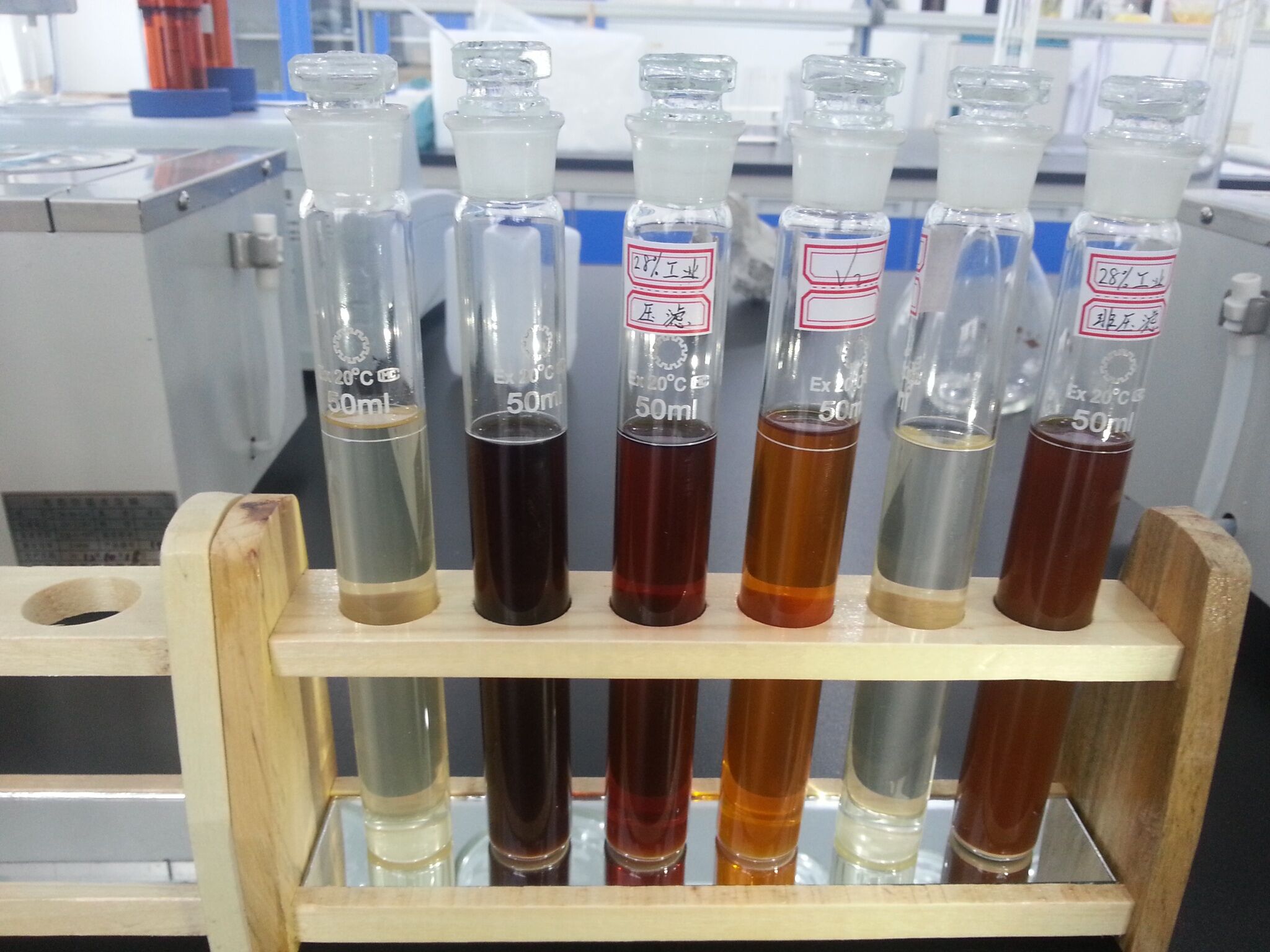
Imagine pouring a vial of amber liquid into murky river water and watching impurities clump together and sink, leaving crystal-clear water behind. This modern alchemy is the work of polyaluminium chloride (PAC), an inorganic polymer coagulant revolutionizing water purification. Chemically, PAC bridges the gap between aluminum chloride (AlCl₃) and aluminum hydroxide (Al(OH)₃), with a variable structure represented as [Al₂(OH)ₙCl₆₋ₙ]ₘ (where n=3–5, m≤10) . Unlike simple aluminum salts, PAC’s structure contains pre-formed hydroxyl-aluminum complexes that give it superior reactivity .
Available as golden-yellow liquids or resinous solids (industrial grades may be brown or gray), PAC dissolves rapidly in water, releasing highly charged polymeric species ready to capture contaminants . Its versatility spans from making drinking water safe to treating toxic industrial effluents—making it the backbone of modern water treatment.
The Science Behind the Magic: How PAC Purifies Water
PAC’s power lies in four simultaneous physical-chemical mechanisms:
Charge Neutralization:
Most contaminants in water (colloids, bacteria, clay) carry negative charges that repel each other, preventing aggregation. PAC introduces highly positive Al₁₃O₄(OH)₂₄⁷⁺ ions , which act like molecular magnets. They neutralize the negative charges on impurities, eliminating repulsion and allowing particles to collide and stick together .Adsorption Bridging:
PAC’s long-chain polymers stretch between aggregated particles, forming “bridges” that bind micro-flocs into dense, fast-settling macro-flocs . This is crucial for removing fine silt or organic matter that resists gravity.Precipitate Enmeshment:
As PAC hydrolyzes, it forms insoluble aluminum hydroxide (Al(OH)₃) precipitates. These act like a net, physically trapping suspended particles as they sink .Chemical Precipitation:
For phosphate or heavy metals, PAC reacts directly to form insoluble compounds. For example, phosphates bond with aluminum to create AlPO₄ (aluminum phosphate), a solid removed via sedimentation .
Table: PAC’s Contaminant Removal Capabilities
| Contaminant Type | Removal Mechanism | Efficiency |
|---|---|---|
| Phosphates (e.g., from fertilizers) | Chemical precipitation as AlPO₄ | >90% |
| Heavy metals (As, Hg, Cr⁶⁺) | Adsorption & co-precipitation | 85–99% |
| Organic matter (BOD/COD) | Enmeshment & charge neutralization | 40–80% |
| Turbidity (silt, clay) | Bridging & charge neutralization | 95–99% |
| Bacteria/Viruses | Envelopment in flocs | Up to 90% |
Why PAC Outshines Traditional Coagulants
Before PAC, facilities relied on alum (aluminum sulfate) or ferric chloride. But PAC dominates modern plants due to critical advantages:
Speed & Efficiency:
PAC’s pre-polymerized species act 2–3x faster than alum, forming larger flocs that settle in minutes . This cuts processing time and tank sizes by 30%.Wider pH Tolerance:
Works effectively across pH 5.0–9.0 , unlike alum which fails below pH 6.5. This eliminates costly pH adjustment steps.Lower Sludge & Salt Residues:
Reduces sludge volume by 30–50% versus alum , lowering disposal costs. It also adds fewer dissolved salts, protecting downstream equipment .Cold Water Performance:
Functions even at 4°C, where alum’s efficiency plummets. This is vital for winter operations in temperate regions.Cost Savings:
Despite higher unit cost, PAC’s lower dosage (10–20 kg per 1,000 tons of water) and reduced sludge/chemical adjustments save 15–40% in operating costs .
Where PAC Performs Its Magic: Real-World Applications
Drinking Water Plants:
Removes arsenic, fluoride, and pathogens to meet safety standards. Residual aluminum in treated water is <0.2 ppm, well below WHO’s 0.9 ppm limit .Municipal Wastewater:
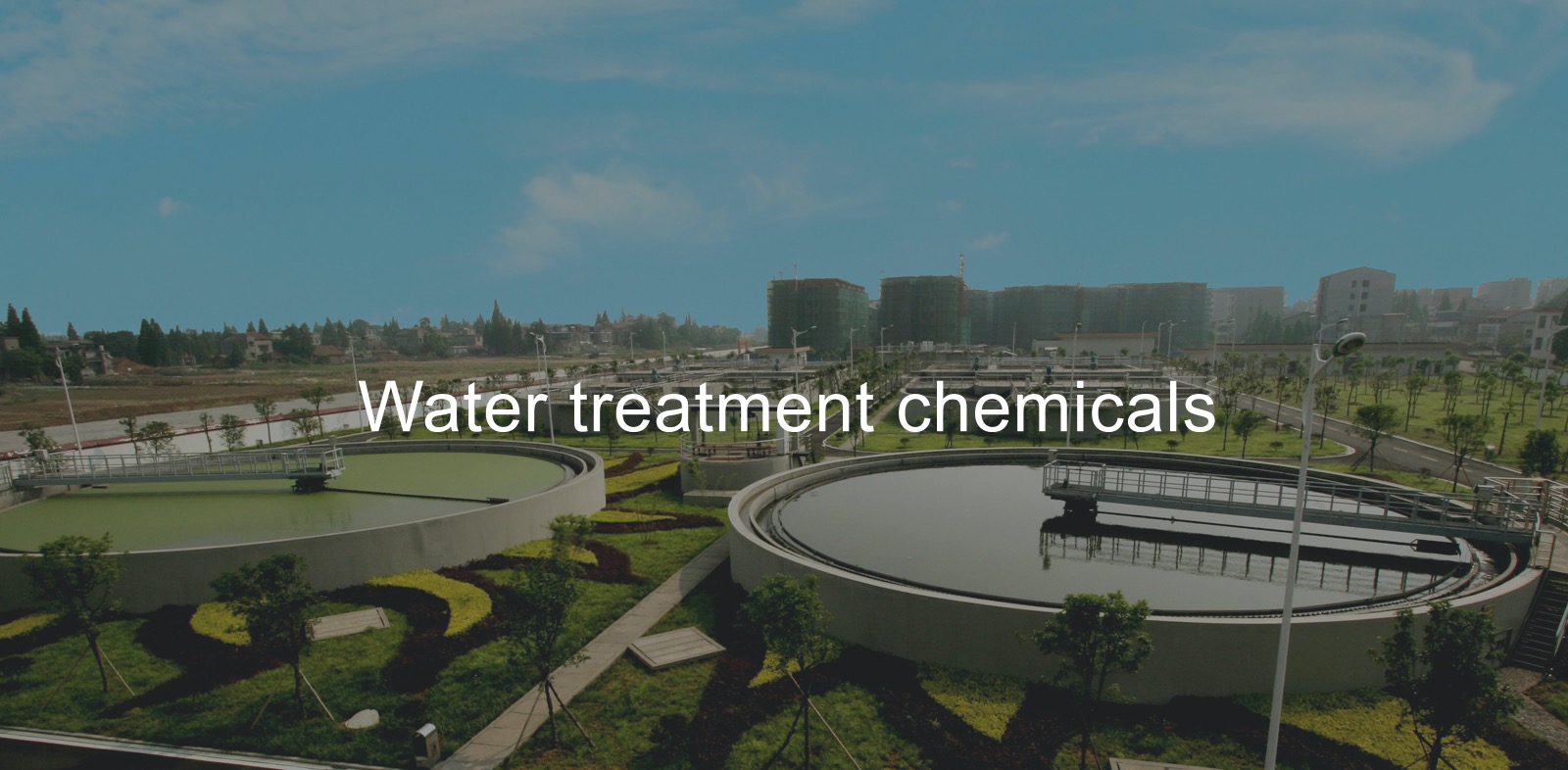
Critical for chemical phosphorus removal to prevent algal blooms. Dosed at treatment endpoints, it ensures effluent phosphate levels stay below 0.5 mg/L .Industrial Wastewater:
Textile Dyes: Decolorizes wastewater via charge neutralization.
Tanneries: Precipitates chromium and proteins.
Oil Refineries: Separates emulsified oil with >95% efficiency .
Resource Recovery:
Recovers valuable solids like starch from food processing effluent or coal fines from mining slurry .
Safety & Sustainability: Addressing Concerns
While PAC contains aluminum, its purified drinking-grade versions (golden-yellow) meet strict limits for heavy metals like lead (<0.0005%) and arsenic (<0.0001%) . Environmental studies confirm PAC’s hydrolysis products are non-bioaccumulative and precipitate as inert Al(OH)₃ in sediments
Future innovations focus on:
Smart dosing systems using AI to optimize PAC use in real-time.
Biopolymer-PAC hybrids to reduce aluminum loads while enhancing biodegradability .
Conclusion: The Clear Future of Water Purification
From turning sludge into clear streams to safeguarding drinking supplies, PAC exemplifies how molecular engineering solves ecological challenges. As water scarcity intensifies, its efficiency and versatility will only grow in importance—making this “liquid gold” a cornerstone of sustainable water management. Whether in a rural well or a mega-city’s treatment plant, PAC continues to prove that sometimes, the deepest clarity emerges from the simplest chemistry.
“In every drop of water, there is a story of life.” – PAC’s silent chemistry ensures that story remains pure.
 What is the role of Polyacryla
 How to choose the suitable pol
The application of Polyacrylam
The application of Polyalumini
How to choose the suitable pol
The application of Polyacrylam
The application of Polyalumini